Why I Wrote VIGILANT
People ask why, after a lifetime on the water, I wrote a novel. I don't think I decided to. I spent forty years collecting it.

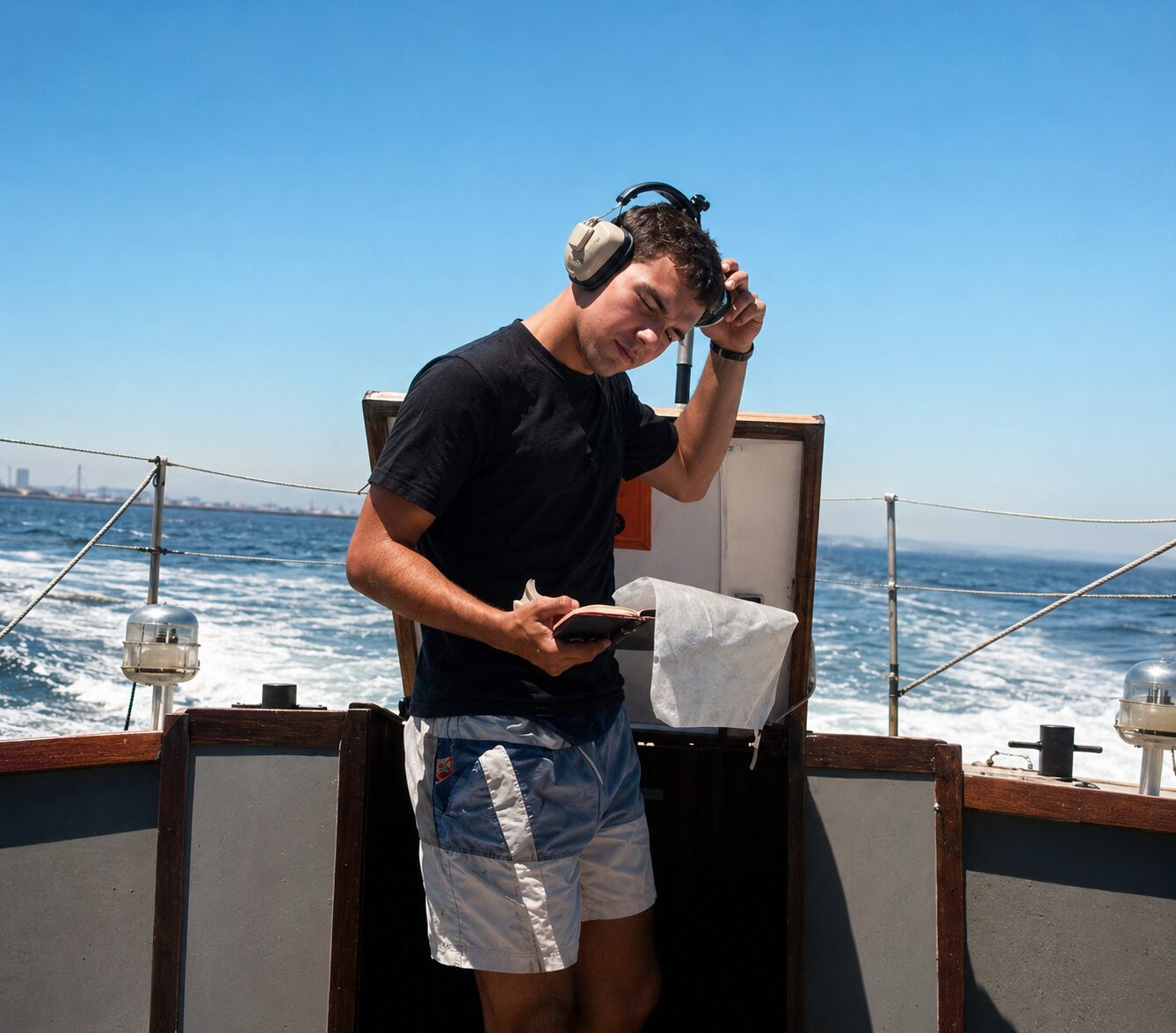
My journey on the water began when I was twelve years old. While most kids were spending their summers riding bikes or playing baseball, I was helping rebuild a World War II-era Air Force crash rescue boat.

She was tired. There was no hiding it. Every project uncovered three more, and every repair revealed another lesson.
And I did the grunt work.
I plugged holes in the stem with wooden dowels. I helped bend oak ribs into place. I crawled into bilges and squeezed into spaces no twelve-year-old had any business fitting into.
I learned that raw fiberglass itches to no tomorrow, and to this day I could pick the smell of Brasso out of a lineup blindfolded.
I also had one pair of work shorts that eventually became something close to body armor. They were stiff with equal parts fiberglass resin, paint, motor oil, and diesel fuel. By the end of the summer, they probably should have carried a hazmat sticker.
I loved every minute of it.
But I also learned something that summer.
Old boats don’t survive because they’re made of wood and steel.
They survive because someone decides they’re worth saving.
I wasn’t really learning how to restore a boat. I was learning stewardship.
By thirteen, I was standing behind the wheel of that same 63-foot rescue boat.
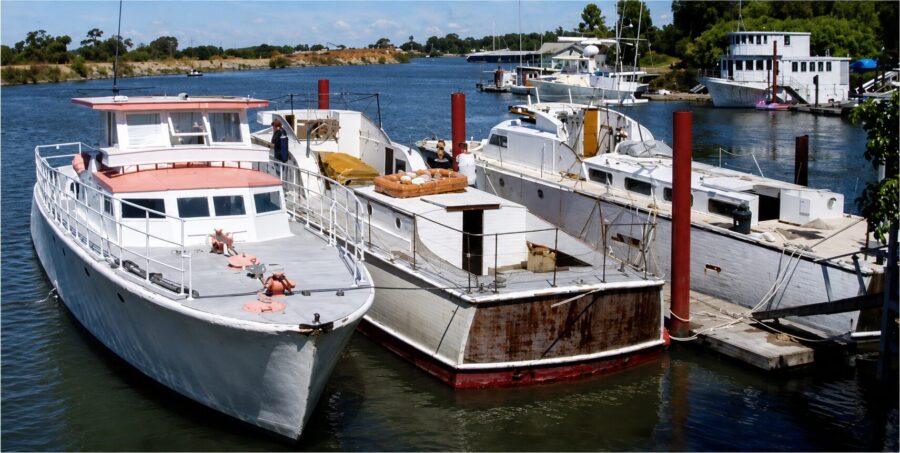
I don’t remember the scraped knuckles or the fiberglass dust nearly as much as I remember the people. None of us gets there alone.
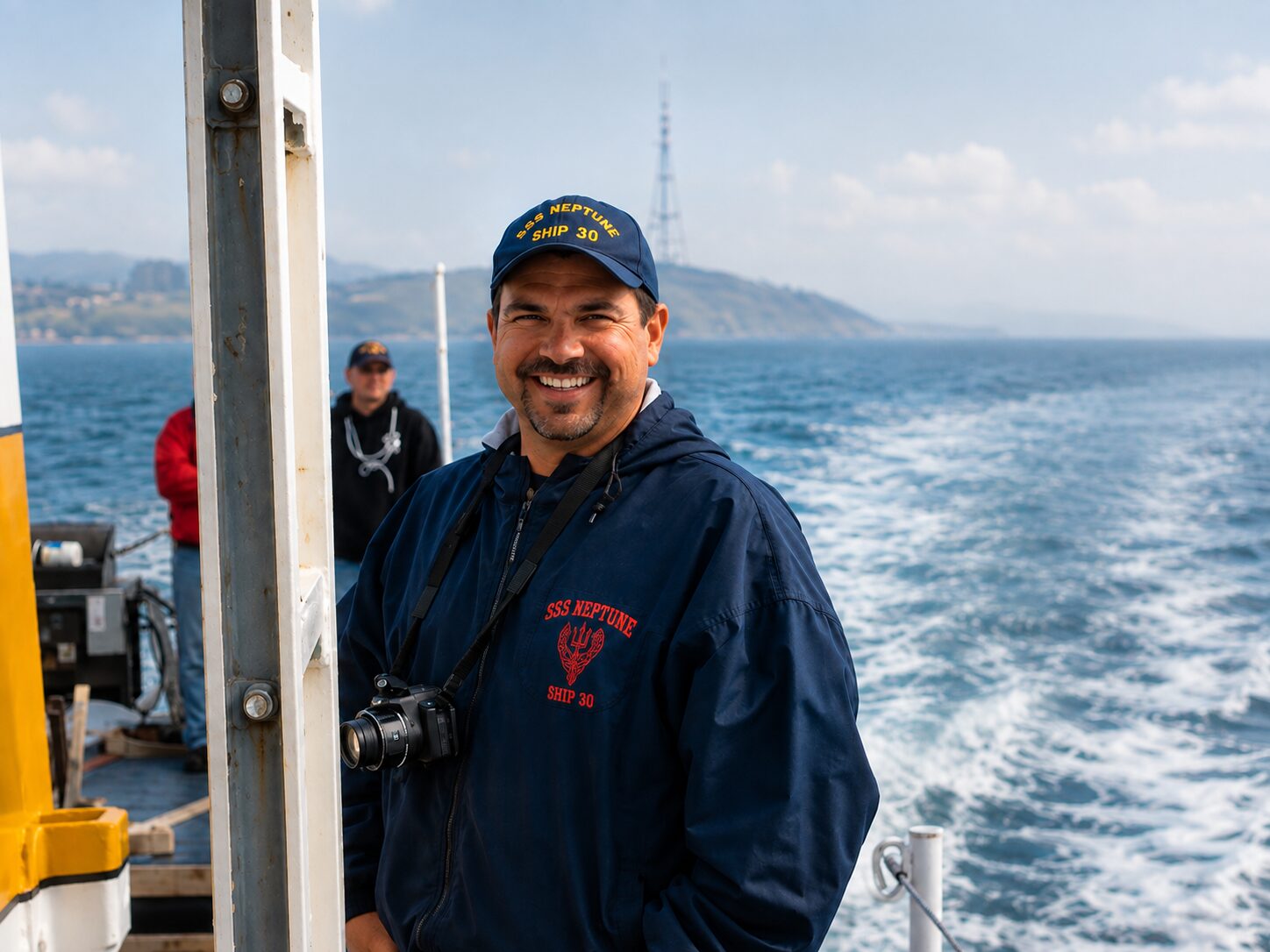
Years later, I came back, not as the kid handing tools to the adults, but as Executive Officer, and eventually as her skipper.
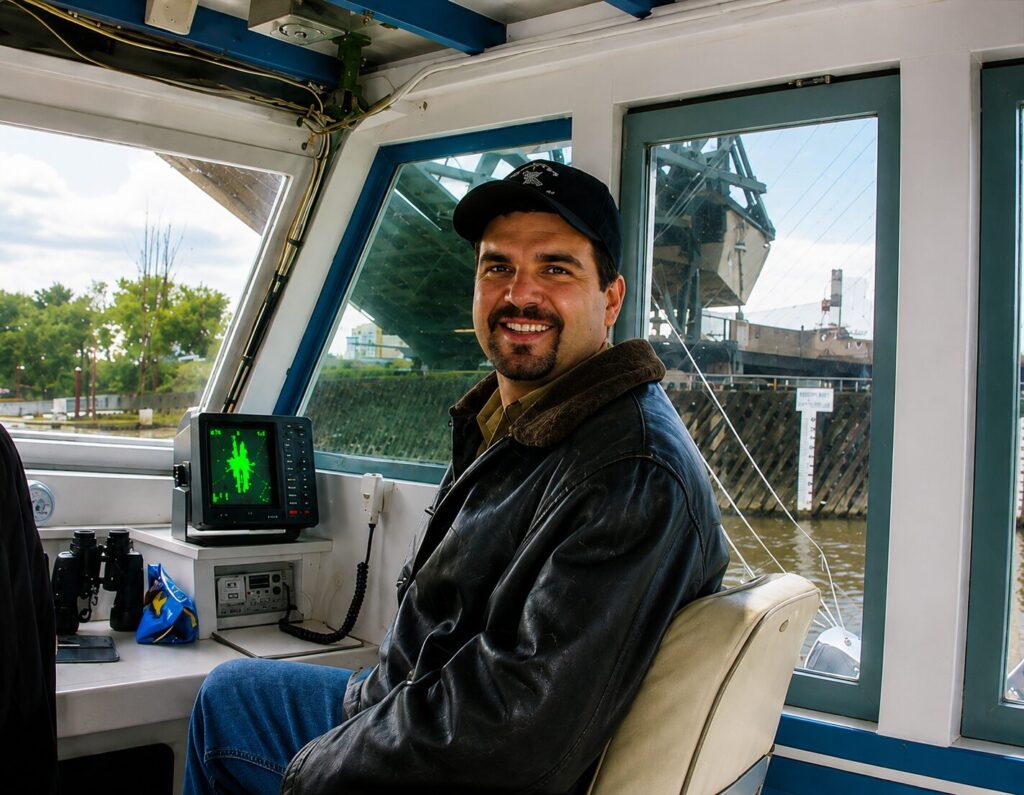
Over the next four decades, the work took me from the Pacific Coast to the Gulf of Mexico and the Atlantic seaboard, and eventually to command of the former Coast Guard cutter Morris, built in 1927 to chase rum runners during Prohibition.
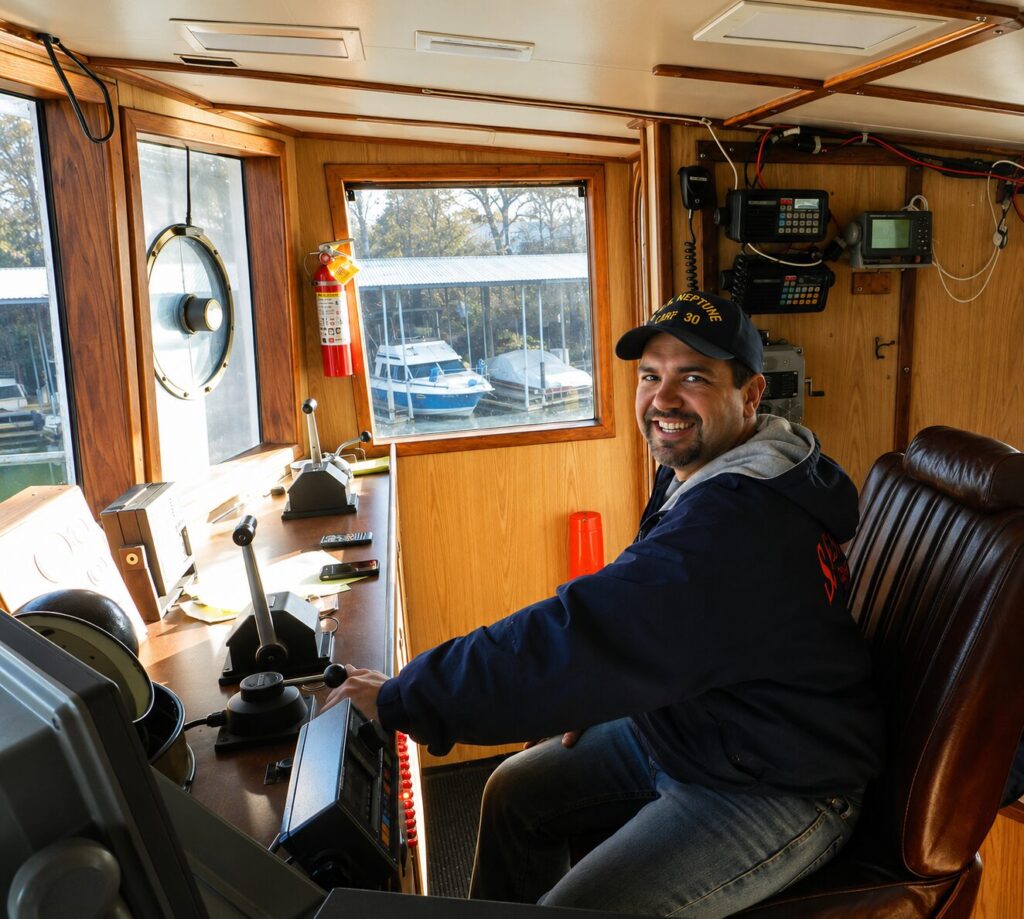
But the boats aren’t what stayed with me the most.
The people did.
Some were seasoned professionals with decades of experience who still found ways to teach me something new. Others I met when they were twelve or thirteen years old, trying to figure out who they wanted to become.
Today, many of those same kids are captains, military officers, pilots, business leaders, first responders, teachers, and parents.
A few still call me “Skipper.” Others call when they’re wrestling with a difficult decision or simply need someone to listen. I have made forever friends and shipmates.
Watching them become the kind of people you’d gladly trust with the helm is what I am proudest of.
The reason I actually started writing was less noble than any of that.
It was insomnia.
Like so many people, I’d wake up at two or three in the morning and my mind simply wouldn’t shut off.
Memories. Sea stories. Faces I’d known over forty years. Triumphs. Regrets. Recovery. Dogs that stole fish bait. Life aboard a boat in New Orleans. The colorful characters who never seem to leave the waterfront.
Eventually I realized my mind wasn’t trying to keep me awake. It was reminding me that stories, like old boats, deserve someone willing to preserve them.
So I started writing.
I don’t think I wrote VIGILANT because I wanted to become an author. I wrote it because I wanted to preserve a world that most people never get to see.
A world of working boats, of shipyards and fishing docks, of Coast Guard crews launching into weather everyone else is trying to escape, and of quiet professionals who simply stand the watch because that’s what the job requires.
People occasionally ask whether Walker Shaw is me.
Shaw isn’t my autobiography, and he certainly isn’t me. But he carries pieces of my own experiences.
He understands the weight of responsibility, he knows leadership can be lonely, and he believes doing the right thing usually isn’t the easiest thing.
Those are lessons earned over a lifetime, not things I imagined.
Nearly everything in our lives eventually becomes something we’re asked to steward—a boat, a business, a team, a family, a friendship, sometimes even ourselves.
We don’t own those things.
We’re entrusted with them for a while, and our responsibility is to leave them better than we found them.
If VIGILANT entertains you, I’ll be grateful. If it gives you a greater appreciation for the people who quietly shoulder responsibility every day, even better.
But if, when you finish the last page, you find yourself thinking about the things you’ve been entrusted with, and whether they’ll be better because you were there, then I’ll know I accomplished exactly what I set out to do.
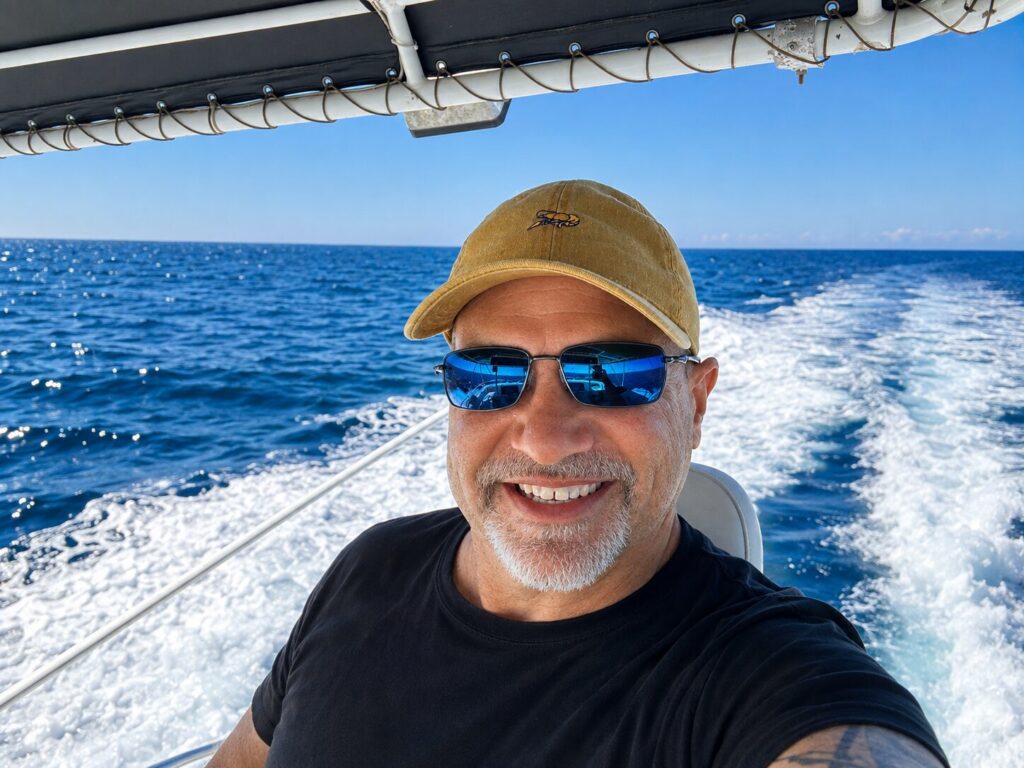
Still standing the watch.
— Captain Nate